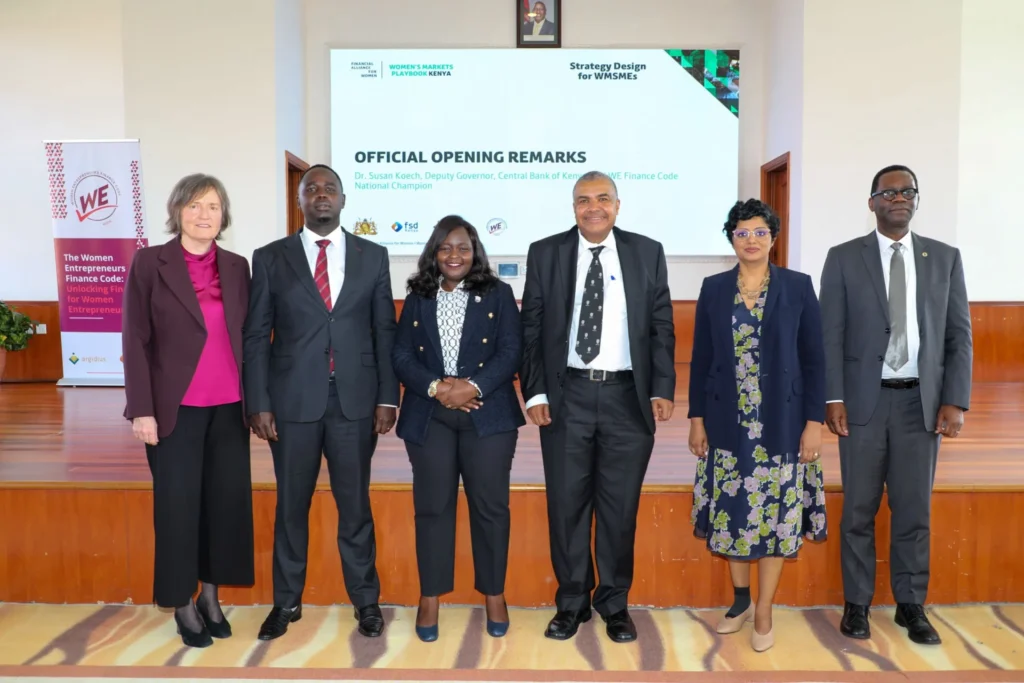
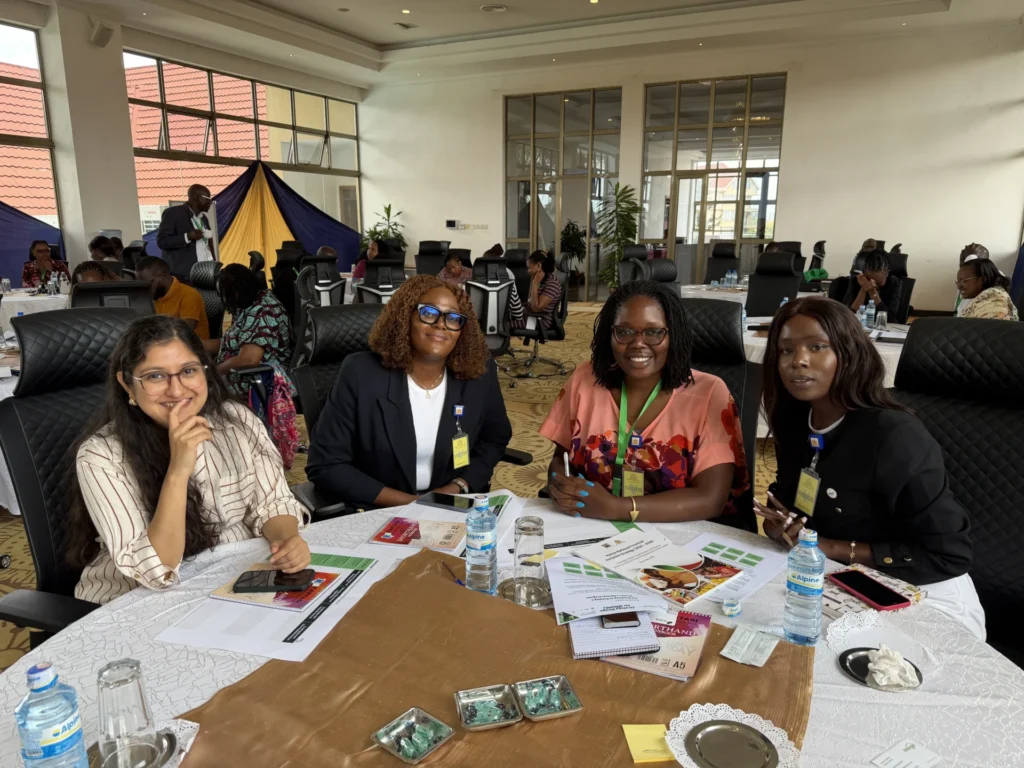
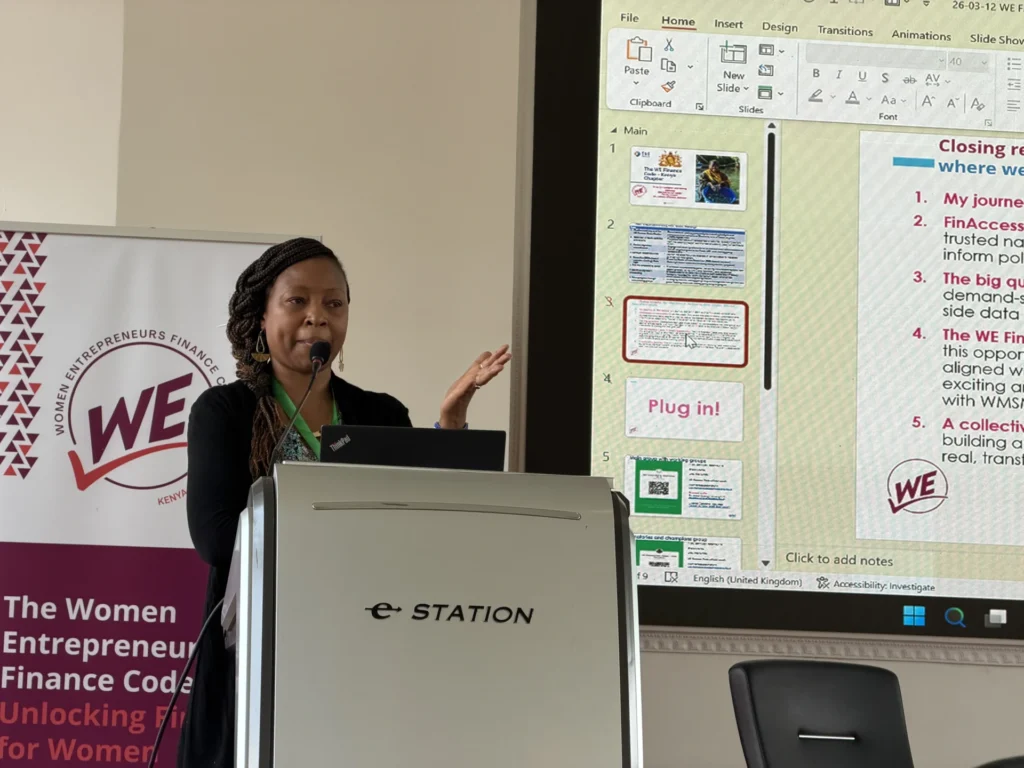
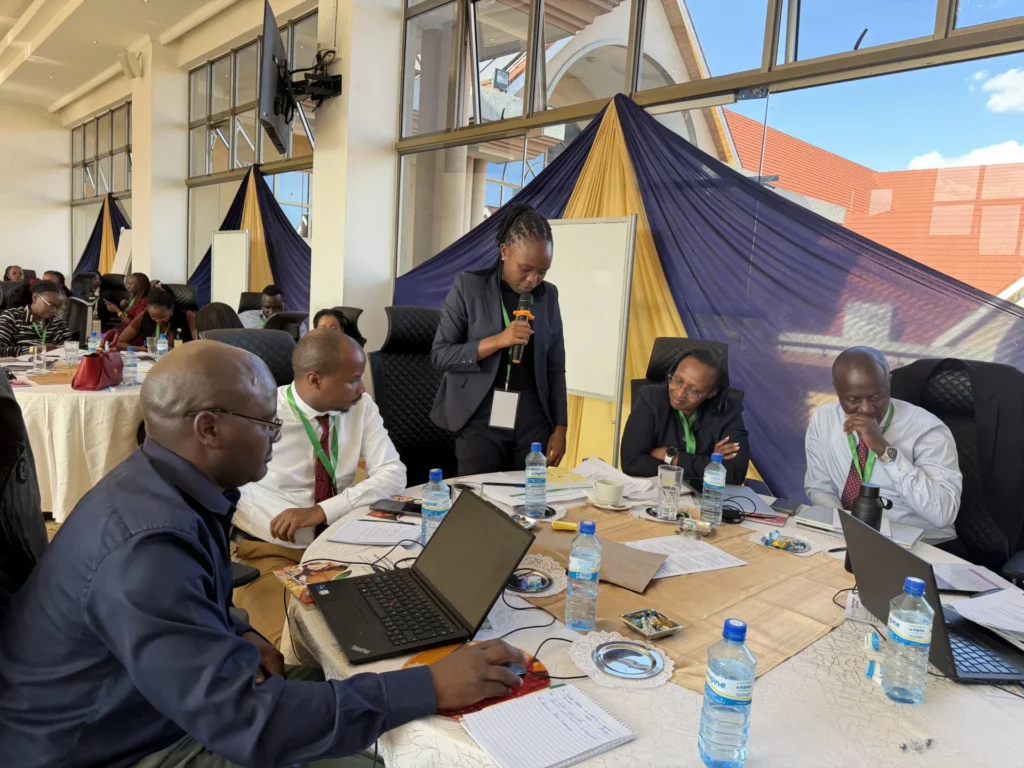
This month, the Alliance team headed to Nairobi to deliver the Women’s Markets Playbook: Strategy Design for WMSMEs training to 74 participants from 46 institutions that have signed on to the WE Finance Code Kenya. The 2.5-day workshop included theoretical frameworks, best practices and use cases from Alliance members in Kenya and globally, grounding the learning through individual and group work. Participants left with a strong sense of how to start or scale their efforts to support women’s micro and small enterprises. The training was offered on behalf of the Central Bank of Kenya and Financial Sector Deepening Kenya (FSDK) with the financial support of Argidius Foundation.
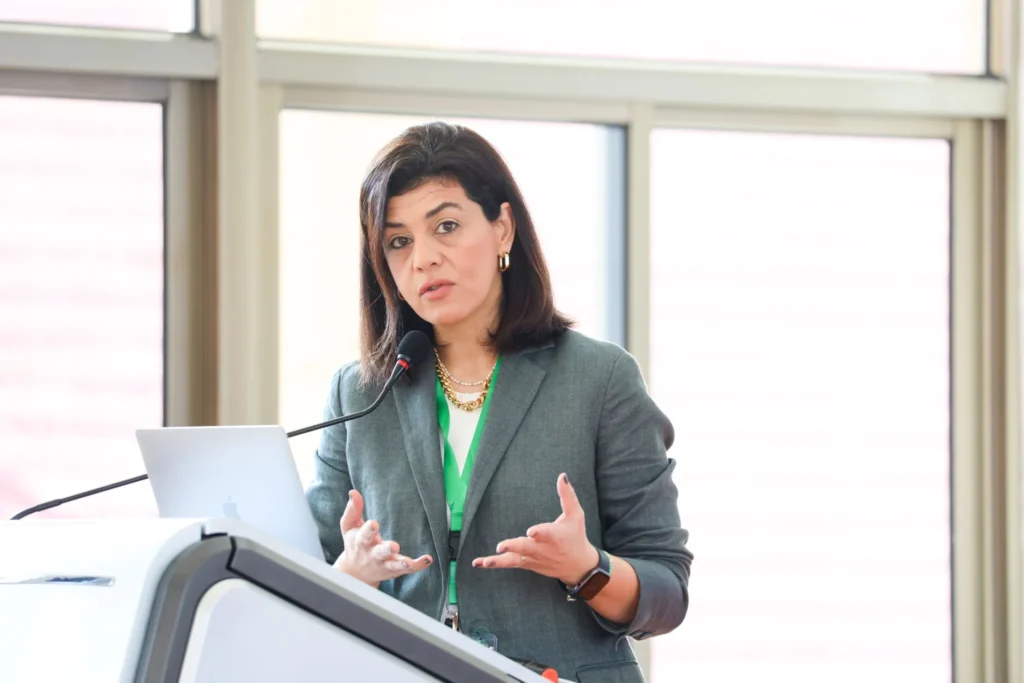
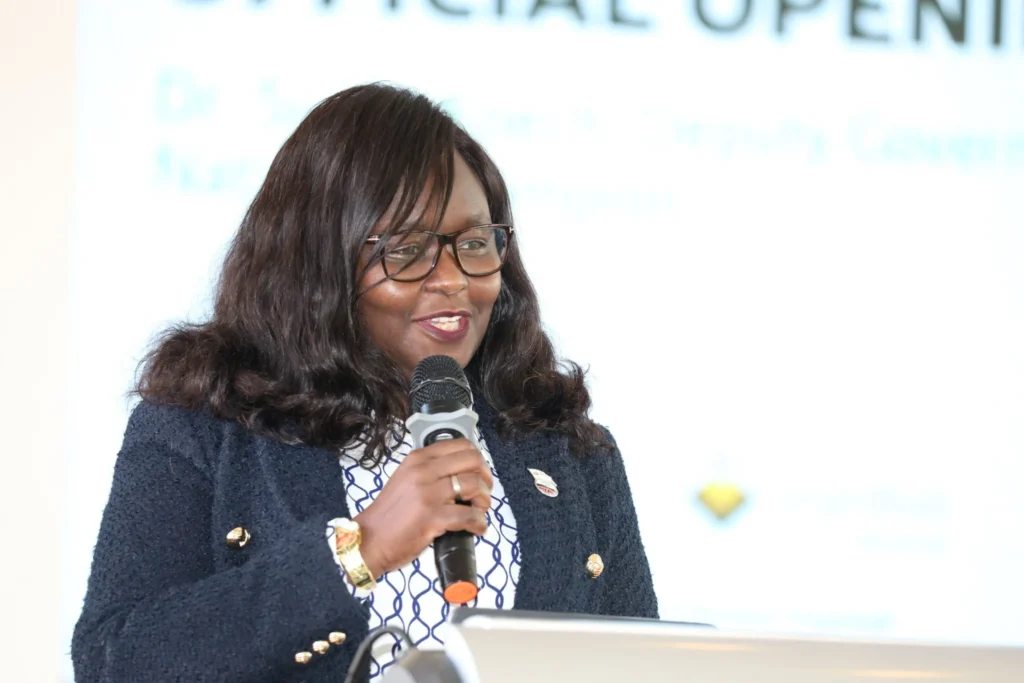
Speakers from across the ecosystem including the Central Bank of Kenya, FSDK, Kenyan Bankers Association, credit scoring agencies, enterprise support organizations and FSP Code Signatories complemented the insights.
Key learnings included:
Underpinning it all was a strong conviction that women are the backbone of the Kenyan economy, not a niche market. They are a strategic growth opportunity, and institutions that redesign for women will outperform the sector.